
This guide helps you choose the right instruments and accessories for playing bluegrass music, covering the main tools that shape its bright, driving sound.
Read More
Bluegrass music is an American roots style built on acoustic string instruments, fast picking and close vocal harmonies. It usually features a five string banjo, mandolin, fiddle, guitar and upright bass. Each instrument carries a distinct role, so choosing the right setup helps you join jams and play the classic sound.
Choosing Your First Instrument
Start with the instrument that draws you to the music, whether that is the banjo or the mandolin. Consider how much practice time you have and how the instrument feels in your hands. A comfortable fit makes learning far more enjoyable.
Matching Instruments To Your Role
Each bluegrass instrument plays a clear part in the band, from melody to rhythm. Think about whether you want to lead tunes or hold down the steady backbeat. Knowing your preferred role guides you towards the right choice.
Setup And Playability
Playability matters more than looks when you are learning. Check the string height and how easily the notes sound along the neck. A well set up instrument rewards regular practice and keeps your fingers happy.
Accessories Worth Having
Small accessories make a big difference to your sound and comfort. Picks, straps and capos help you play cleanly and switch keys with ease. Check the listing to confirm each item suits your instrument.
Bluegrass Music To Compare
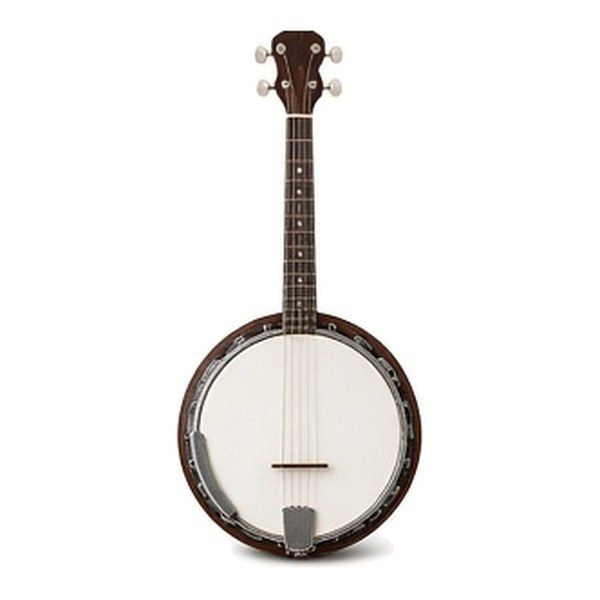
Five String Banjos
Check the resonator type, string action and head tension, as these shape the bright, punchy tone bluegrass players want.
COMPARE OPTIONS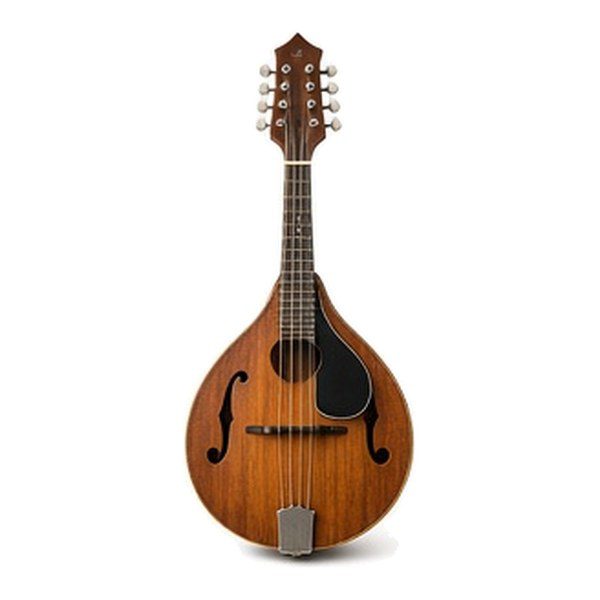
Mandolins
Look for an F style or A style body, solid tonewoods and low action for the crisp chop chords bluegrass needs.
COMPARE OPTIONS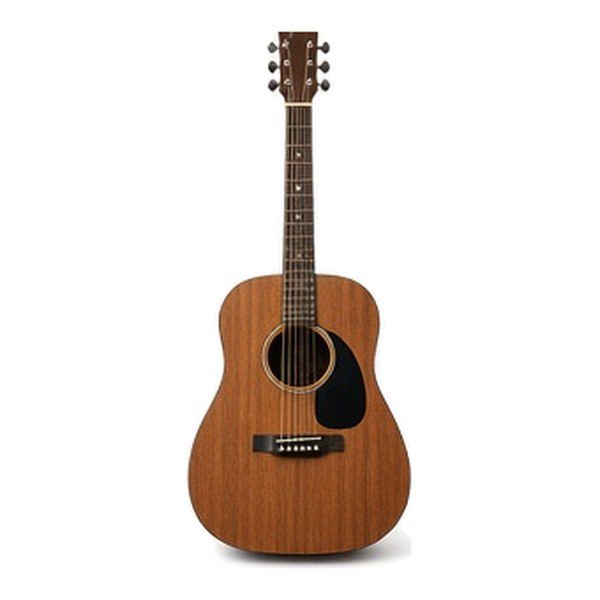
Dreadnought Acoustic Guitars
Check the dreadnought body shape, solid top and string action, which give the strong rhythm strum bluegrass relies on.
COMPARE OPTIONS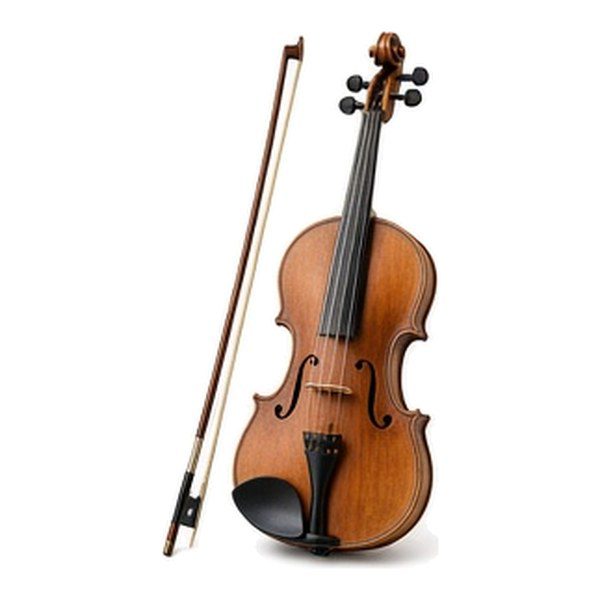
Fiddles
Check the bridge curve, string height and bow response, as a flat bridge suits the fast fiddle runs of bluegrass.
COMPARE OPTIONS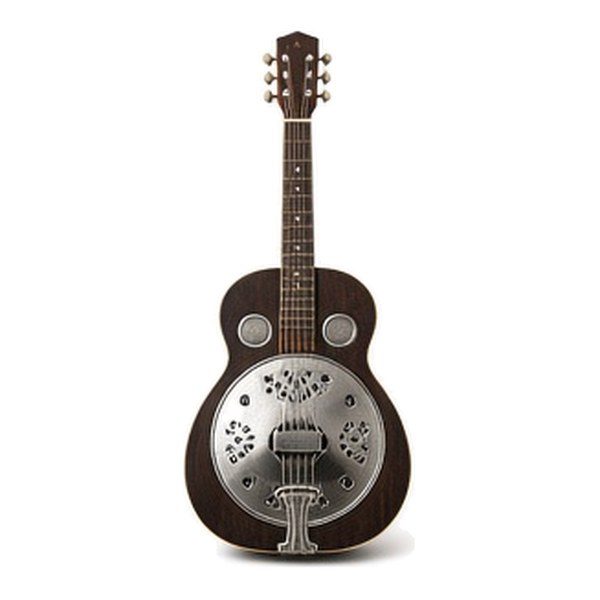
Resonator Guitars
Check the cone type, whether round neck or square neck, and the metal body, which give the loud, cutting slide tone.
COMPARE OPTIONS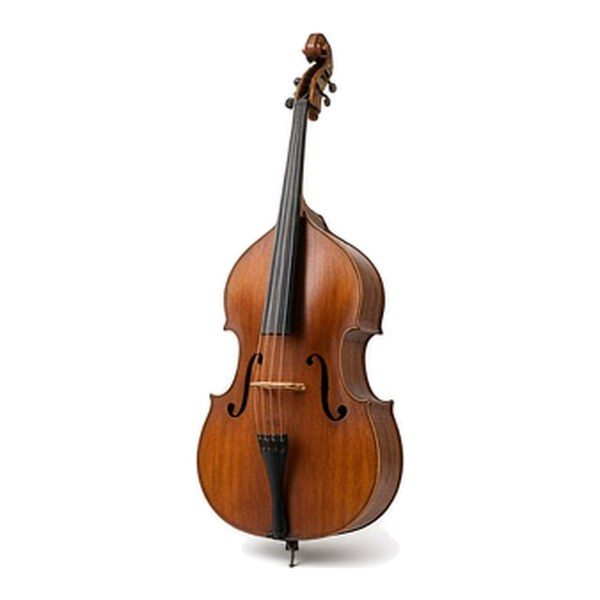
Upright Double Basses
Check the string height, the tone and how the bass carries under the neck, since it holds the steady bluegrass pulse.
COMPARE OPTIONS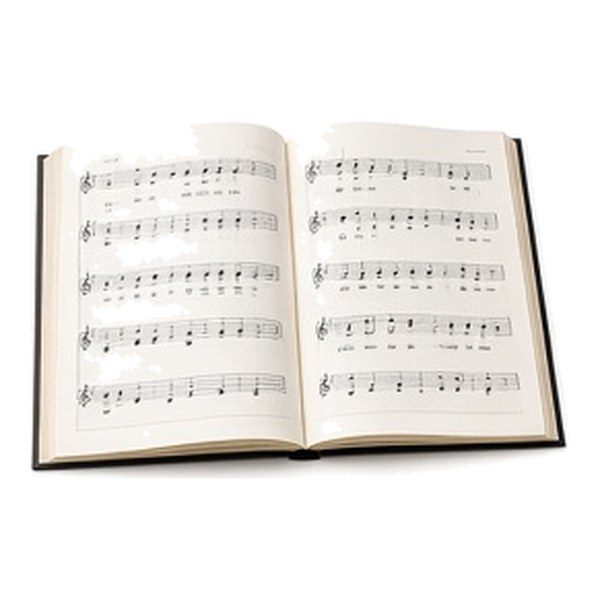
Banjo Songbooks
Check that the book uses tablature, covers the rolls you want and suits your skill level before you buy.
COMPARE OPTIONS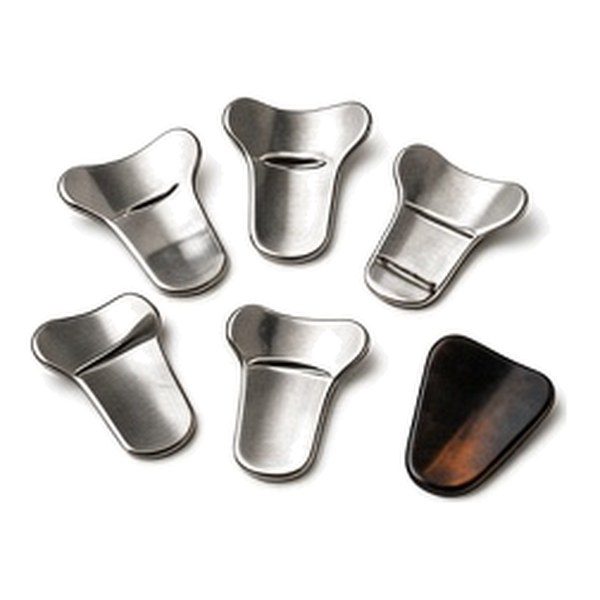
Banjo Finger Picks
Check the material and size of the picks, since metal picks give a bright tone and plastic feels softer on fingers.
COMPARE OPTIONSHow To Clean And Oil Wooden Instruments
Maintaining your acoustic wooden gear prevents moisture damage and preserves the bright tone essential for traditional acoustic styles. Wipe down the fretboard and body with a dry microfibre cloth after every playing session to remove natural hand oils and rosin dust. Every few string changes, apply a tiny amount of specialised lemon oil to unlacquered fingerboards to stop the timber drying out and cracking. Keep your gear away from radiators and direct sunlight, as sudden temperature shifts warp delicate spruce tops and maple necks over time. Store your items in a humidity controlled hard case whenever you finish practising to protect the wood from ambient weather swings.
Essential Maintenance Tools For Acoustic String Players
Keeping a basic toolkit at home helps you fix minor performance issues without needing a professional luthier. Stock your case with spare strings, a sturdy peg winder for quick string changes, and wire snips to trim sharp ends safely. A reliable electronic clip on tuner ensures accurate pitch before every jam session, while a multi tool helps tighten loose strap buttons and tuning machine screws. Include a small soundhole humidifier during dry winter months to protect wooden soundboards from splitting under low humidity. Having these handy items ready prevents sudden gear failures during practice or impromptu gatherings with fellow musicians.
Safe Travel Storage For Acoustic Instruments
Protecting your gear while travelling to weekend festivals or local jams requires robust protection against bumps and heavy impacts. Invest in a heavy duty hardshell case featuring a plush interior lining that cradles the body and neck securely. Avoid soft gig bags if you intend to transport your gear in crowded boots alongside amplifiers and speakers. Ensure all latches fasten tightly and check that the accessory compartment holds your picks and straps securely without shifting during transit. Placing your secured case flat on the floor of the vehicle rather than standing it upright prevents accidental tipping and costly headstock fractures.
Questions Shoppers Ask
Which Instrument Should A Beginner Start With?
Many beginners start with the guitar or mandolin because they are approachable and widely taught. The banjo is also popular for its bright, driving sound. Choose the one whose sound you love most.
What Makes A Banjo Suit Bluegrass?
Bluegrass usually uses a five string banjo played with finger picks in a rolling style. The open back or resonator body shapes the tone. Check the listing to see which type fits your playing.
Do I Need A Resonator Guitar For Bluegrass?
A resonator guitar is not essential, but it adds a loud, cutting slide tone that suits the style. Many players use a standard dreadnought for rhythm instead. Both can work well in a jam.
How Do I Keep My Instrument In Tune?
Use a clip on tuner and check the tuning often, as new strings settle over time. Capos can shift the pitch, so retune after fitting one. Regular tuning keeps your playing sounding clean.
How Often Should I Change My Strings?
You should change your strings every few weeks if you practise daily, or whenever they start sounding dull and lose their initial brightness. Old metal strings corrode from sweat, making them difficult to keep in tune and harsh on your fingertips. Fresh strings instantly restore the crisp volume and clarity required for traditional acoustic rhythm work.
What Materials Are Best For Picks?
Celluloid and thick thermoplastic materials provide the ideal balance of durability and flexibility for fast picking techniques. Heavy gauge picks prevent bending when striking multiple steel strings simultaneously, giving you better volume projection and tone control. Experiment with different thicknesses to find a material that glides smoothly across the strings without catching or wearing down too quickly.